
 By
By 
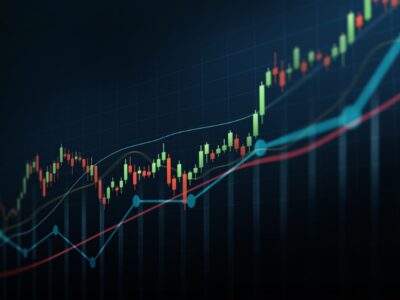
Monetary markets are directed by statistics, patterns and anticipations. The traders use systematic instruments to minimize the uncertainty and make sound decisions. Trading signals are one of such tools that assist in interpreting the movement of the market based not on the emotion but logic. Current financial analysis is concerned with pattern, trend, as well as indicators. These factors favor disciplined decision making and risk management.
Learning how to get how signals
Understanding market signals in financial trading
Trading signals are the instruments that indicate the possible action that may be undertaken in the market by analyzing the data. They are not promises but organized information that is used to help in decision making. These are the signals that are usually employed in various financial instruments.
What are trade signals?
Trade signals refer to the signal or warnings created by technical, fundamental or algorithmic analysis. They reveal potential entry, exit or holding points as per set rules. Signals strive to minimize guesswork by employing information grounded logic.
How do trade signals work in financial markets
Trade signals are applied when an analysis of market conditions is performed based on indicators, price pattern or economic data. A signal is produced when certain conditions are satisfied. These signals assist traders to make decisions in a consistent rather than emotive way. One can create signals either manually or automatically. Automated signals are based on setups which are able to monitor markets in real time. Manual signals are interpreted and offer more flexibility.
How do trade signals work?
- Data based analysis: Signals apply historical and real-time data to discern trend and momentum so that traders respond to market changes systematically and not intuitively.
- Rule driven logic: All the signals are guided by predetermined rules, which takes care that the decisions are similar even in times of volatility in the market.
- Timing support: Strategies serve as indicators of possible timing signals, which help traders to make well informed decisions on when to enter or exit positions.
- Risk awareness: Most signals incorporate the stop loss or risk considerations in an attempt to control the downside exposure.
- Market confirmation: Signals tend to verify rather than foretell the patterns, which favor the risk averse nature of their decision making.
How to get signals for trading decisions step by step
Depending on the level of experience and trading tools, one can get signals for trading in numerous ways to make trading decisions. Certain techniques are non commercial whereas some need sophisticated skills. The trick lies in the comprehension of the means of generating signals.
The fundamental ways of receiving trading signals
- Technical indicators: Technical indicators, such as moving averages and momentum indicators, assist in getting the trading signals by showing the direction of the trend and its power.
- Chart pattern analysis: Technically, breakouts and reversals are examples of patterns that help in making structured decisions with visual clues.
- Algorithmic tools: This is an automated market scanning system that provides indicators in response to coded trading rules.
- Price action observation: The raw price movements can be observed to give indicators to the trading without necessarily overly depending on indicators.
How to get free trade signal sources responsibly
Free trade indicators abound but they are not to be used blindly. Free signals are not always good, and therefore, it is worth checking. Traders’ ought to know the rationale of a signal at all times.
The methods of how to obtain free trade signal securely
- Public market analysis: The signal based analysis report traditionally based on technical indicators is commonly found in the open access analysis reports.
- Indicator based tools: FREE charting tools enable traders to build their own indicators with in built indicators.
- Historical testing: It allows to gauge reliability of historical testing and then apply it to actual trading conditions.
- Risk controlled usage: Before applying free signals to be utilized in decision making, one has to test it in a low-risk setting.
Finally
Trading signals are convenient instruments that facilitate informed financial decisions. They assist the traders in interpreting data, risk management and consistent action. Trading discipline is enhanced with the ability to learn how to obtain signals to guide trading decision making. When applied in a proper way, signals do not obstruct judgment but improve it.

Comments