
 By
By 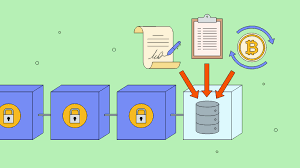
Cryptocurrency has introduced a decentralized way to transfer value without relying on banks or payment processors. At the core of this system is blockchain technology, which ensures that transactions are secure, transparent, and tamper-resistant.
To participate safely in digital asset markets, investors must understand how transactions function before selecting a trading platform or wallet.
This guide explains the mechanics of cryptocurrency transactions in simple terms while also highlighting what to consider when using the best crypto trading app for executing transfers.
What Is a Cryptocurrency Transaction?
A cryptocurrency transaction is the process of transferring digital assets from one wallet address to another. Unlike traditional banking systems, these transfers do not require a central authority. Instead, they are verified by a distributed network of computers.
Each transaction includes:
- Sender’s public wallet address
- Recipient’s public wallet address
- Amount being transferred
- Digital signature (created using private key)
The digital signature confirms that the transaction was authorized by the wallet owner.
Step-by-Step: How Cryptocurrency Transactions Work
1. Transaction Initiation
The sender uses a crypto wallet or trading app to initiate a transfer. They enter the recipient’s wallet address and specify the amount.
The wallet uses the sender’s private key to create a digital signature. This signature proves ownership of the funds without revealing sensitive information.
2. Broadcasting to the Network
Once signed, the transaction is broadcast to the blockchain network. It becomes visible to network participants known as nodes.
These nodes validate whether:
- The sender has sufficient balance
- The digital signature is valid
- The transaction follows protocol rules
3. Verification and Validation
Transactions are grouped into blocks. Depending on the blockchain, validation occurs through mechanisms such as:
- Proof of Work
- Proof of Stake
Validators confirm that transactions are legitimate before adding them to the blockchain.
4. Block Addition to Blockchain
After verification, the block containing the transaction is added to the chain. Once recorded, the transaction becomes part of a permanent and transparent ledger.
This immutability ensures that past records cannot easily be altered.
5. Confirmation
The transaction receives confirmations as more blocks are added on top of it. Higher confirmations increase security and reduce the possibility of reversal.
Why Blockchain Matters
Blockchain technology provides:
- Decentralization (no central authority)
- Transparency (public transaction history)
- Security (cryptographic validation)
- Immutability (tamper-resistant records)
These features distinguish cryptocurrency systems from traditional banking networks.
Role of Trading Apps in Transactions
When users trade or transfer assets, the platform acts as an interface to the blockchain network.
Investors searching for the best crypto trading app often prioritize:
- Fast order execution
- Secure transaction processing
- Transparent fee structure
- Two-factor authentication
- Real-time transaction tracking
However, the blockchain ultimately processes and records transactions, not the app itself.
Transaction Fees Explained
Every blockchain transaction includes a fee paid to validators. This fee:
- Compensates network participants
- Prioritizes transactions during congestion
- Prevents spam activity
Fees vary based on network demand and transaction complexity.
Public and Private Keys Explained
Understanding keys is essential:
Public Key
Acts like an account number. It can be shared to receive funds.
Private Key
Acts like a password. It authorizes transactions and must remain confidential.
Loss of a private key typically results in permanent loss of access to assets.
Security Considerations During Transactions
To ensure safe transactions:
- Double-check wallet addresses before sending
- Enable two-factor authentication
- Avoid using public Wi-Fi
- Verify app authenticity
- Keep recovery phrases offline
Security mistakes cannot be reversed on blockchain networks.
Common Transaction Mistakes
- Sending funds to incorrect wallet addresses
- Ignoring network fees
- Falling for phishing websites
- Using unsecured devices
Blockchain systems are irreversible, so caution is necessary.
Blockchain vs Traditional Banking Transactions
|
Feature |
Blockchain Transaction |
Bank Transfer |
|---|---|---|
|
Authority |
Decentralized |
Centralized |
|
Settlement Time |
Minutes (network dependent) |
Hours to days |
|
Transparency |
Public ledger |
Private records |
|
Reversibility |
Generally irreversible |
Possible under certain conditions |
This structural difference explains why cryptocurrency transactions require higher user responsibility.
Why Understanding Transactions Is Important
Before trading or transferring assets, users should understand how transactions are verified and secured. Knowledge of blockchain mechanics helps investors:
- Avoid common errors
- Evaluate platform security
- Manage transaction fees
- Protect private keys
Selecting a best crypto exchange in india is important, but understanding blockchain fundamentals is equally critical.
Conclusion
Cryptocurrency transactions operate through blockchain networks that verify, validate, and permanently record transfers without central authority control. Each transaction undergoes cryptographic authentication and network confirmation before becoming immutable.
While trading apps provide a user-friendly interface, the blockchain performs the actual transaction processing. Understanding this distinction helps investors participate safely and confidently in digital asset markets.
Proper security practices, careful wallet management, and awareness of transaction fees are essential for responsible crypto usage.
Frequently Asked Questions (FAQs)
1. Are cryptocurrency transactions reversible?
Generally, blockchain transactions are irreversible once confirmed.
2. How long does a crypto transaction take?
It depends on the blockchain network and congestion levels. Some settle within minutes.
3. What happens if I send crypto to the wrong address?
Most blockchain transfers cannot be reversed, so funds may be permanently lost.
4. Are crypto transactions anonymous?
They are pseudonymous. Wallet addresses are public, but identities are not directly displayed.
5. Do all transactions require fees?
Yes, transaction fees compensate validators and secure the network.






Comments